
"new crop beans"
2000 article(s) found

Boutique coffee learns how to distinguish between new beans and old beans
The main components of raw beans are: carbohydrates, about 49%; moisture, about 12%; protein. About 11%; chlorogenic acid, about 7.6% alkaloids and trace elements, about 0.4%. According to the length of time, raw beans can be specifically divided into: seasonal beans (Current Crop), that is, fresh beans; new beans (New Crop), that is, raw beans of the first year; and old beans (Past Crop), that is,
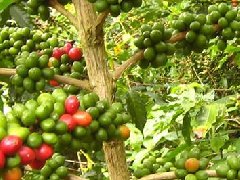
A new way for scientists to identify microscopic worms attacking coffee crops
Professional Coffee knowledge Exchange more information on coffee beans Please follow the coffee workshop (Wechat official account cafe_style) the plant that produces coffee, one of the world's most popular drinks, is the target of miniature worms, but scientists are fighting back. Due to the use of a new rapid detection method, an underestimated coffee planting problem has been found in the soil samples in the field of coffee cultivation. This method
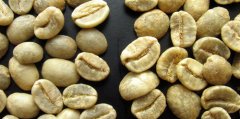
High-quality coffee raw beans: the difference between new beans and old beans
After dry and wet processing, coffee fruit becomes coffee raw bean (Raw bean/Green bean). The main components of raw beans are: carbohydrates, about 49%; moisture, about 12%; protein. About 11%; chlorogenic acid, about 7.6% alkaloids and trace elements, about 0.4%. According to the length of time, raw beans can be divided into: seasonal beans (Current Cro)
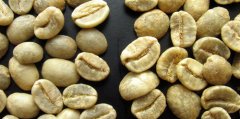
Coffee raw beans: the main components of raw beans between new beans and old beans
After dry and wet processing, coffee fruit becomes coffee raw bean (Raw bean/Green bean). The main components of raw beans are: carbohydrates, about 49%; moisture, about 12%; protein. About 11%; chlorogenic acid, about 7.6% alkaloids and trace elements, about 0.4%. According to the length of time, raw beans can be divided into: seasonal beans (Current Cro)
Coffee News Why Coffee Is Dangerous
Stunning Solitude At a cafe in Turrialba, Costa Rica, guests stand on the restaurant balcony overlooking the lush hills opposite, and drink only white water or pineapple juice instead. This is March 2014, when about 20 people gathered at the Tropical Agricultural Research and Higher Education Center (CATIE) in Turiarva, including some of the world's top
Boutique coffee common sense coffee raw beans the difference between new beans and old beans
After dry and wet processing, coffee fruit becomes coffee raw bean (Raw bean/Green bean). The main components of raw beans are: carbohydrates, about 49%; moisture, about 12%; protein. About 11%; chlorogenic acid, about 7.6% alkaloids and trace elements, about 0.4%. According to the length of time, raw beans can be divided into: seasonal beans (Current Cro)
Coffee raw beans: the difference between new beans and old beans
Coffee training knowledge: coffee raw beans: new beans and old beans. After dry and wet processing, coffee fruit becomes coffee raw bean (Raw bean/Green bean).
Do you know the difference between fresh coffee beans, old beans and aged beans?
Professional coffee knowledge exchange More coffee bean information Please pay attention to coffee workshop (Weixin Official Accounts cafe_style) How to distinguish between new beans and old beans? New Crop: The green coffee beans harvested in that year are called "new beans". The moisture content is high, about 12~13%, dark green, rich in flavor and aroma, obvious flavor and full of personality.
Coffee raw beans: the difference between new beans and old beans
Coffee raw beans: the coffee fruits of new beans and old beans are processed by dry and wet methods, and then become coffee raw beans (Raw bean/Green bean). The main components of raw beans are: carbohydrates, about 49%; moisture, about 12%; protein. About 11%; chlorogenic acid, about 7.6% alkaloids and trace elements, about 0.4%. According to the length of time, raw beans can be specific.
Coffee training knowledge: coffee raw beans: the difference between new beans and old beans
Coffee raw beans: the difference between new beans and old beans. After dry and wet processing, coffee fruit becomes coffee raw bean (Raw bean/Green bean). The main components of raw beans are: carbohydrates, about 49%; moisture, about 12%; protein. About 11%; chlorogenic acid, about 7.6% alkaloids and trace elements, about 0.4%. According to the length of time, raw beans can have

The main components of raw beans are new beans and old beans.
After dry and wet processing, coffee fruit becomes coffee raw bean (Raw bean/Green bean). The main components of raw beans are: carbohydrates, about 49%; moisture, about 12%; protein. About 11%; chlorogenic acid, about 7.6% alkaloids and trace elements, about 0.4%. According to the length of time, raw beans can be divided into: seasonal beans (Current Cro)

Coffee knowledge introduces the distinction between raw beans, new beans and old beans
After dry and wet processing, coffee fruit becomes coffee raw bean (Raw bean/Green bean). The main components of raw beans are: carbohydrates, about 49%; moisture, about 12%; protein. About 11%; chlorogenic acid, about 7.6% alkaloids and trace elements, about 0.4%. According to the length of time, raw beans can be divided into: seasonal beans (Current Cro)
Boutique coffee beans common sense how to distinguish between new beans and old beans
After dry and wet processing, coffee fruit becomes coffee raw bean (Raw bean/Green bean). The main components of raw beans are: carbohydrates, about 49%; moisture, about 12%; protein. About 11%; chlorogenic acid, about 7.6% alkaloids and trace elements, about 0.4%. According to the length of time, raw beans can be divided into: seasonal beans (Current Cro)
Fine coffee learn the difference between new beans and old beans of raw coffee
After dry and wet processing, coffee fruit becomes coffee raw bean (Raw bean/Green bean). The main components of raw beans are: carbohydrates, about 49%; moisture, about 12%; protein. About 11%; chlorogenic acid, about 7.6% alkaloids and trace elements, about 0.4%. According to the length of time, raw beans can be divided into: seasonal beans (Current Cro)

Panama coffee, Panama coffee
There are many stories about the origin of coffee. One is given by American scholar Anthony Wilty in Coffee: A History of Black: In 1414, Zheng He's fleet loaded with treasures arrived at Aden Port. A young Sufi religious leader, Gamaldine, boarded Commander Hung Pao's flagship and tasted the magic drink prepared by the Chinese with magical leaves. In Ethiopia, cover
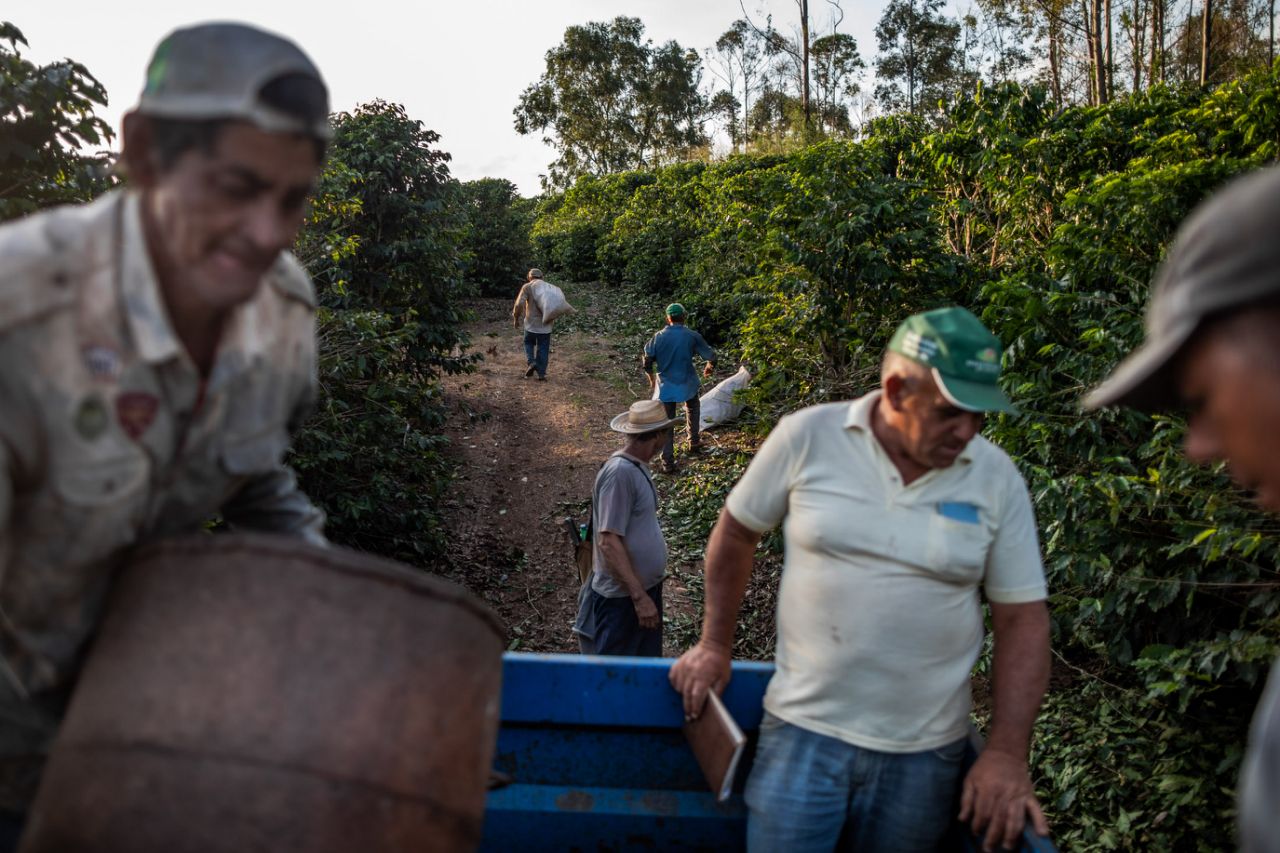
Coffee is getting cheaper, but Brazil has found a way to increase production quickly at a low cost.
Professional coffee knowledge exchange more coffee bean information follow coffee workshop (Wechat official account cafe_style) Rodrigo Freitas Silva (Rodrigo de FreitasSilva) Coffee farm in the heart of Brazil is booming, even after the worst price crisis in decades. In the past decade, the 41-year-old man has planted his noodles
Leaf rust sweeps coffee plantations in Central America
According to a recent report released by the International Coffee Organization, the production of coffee crops in Central America has been reduced by about 15% in 2012 and 2013 due to leaf rust. As the overall economic growth in Central America slows, coffee growers in the region will suffer a double whammy of reduced production of coffee crops and a collapse in coffee prices, which will also hit the economies of Central American countries hard. As the coffee crop in Central America is in the international coffee market.

Brazil breeds new coffee varieties Arara Flavor Features How and why coffee varieties matter?
The choice of variety affects coffee flavor, productivity, and desired growing conditions. Consumers are often excited to try varieties such as rose summer, while producers can remain faithful to well-served varieties. In Brazil, however, a new variety caught people's attention and won the quality contest-Arara. Cup scores extended into the mid-1990s, and with toughness

Analysis on the characteristics of Brazilian Coffee Price list of Brazilian slimming Coffee Market trend of Brazilian Coffee in 2018
Professional coffee knowledge exchange more coffee bean information please follow the coffee workshop (Wechat official account cafe_style) in-depth understanding of the world's largest coffee producer Brazil coffee bean grade despite the rainfall Brazil 2018-19 unease continues: the market will wait a while to confirm the prospects of the next Brazilian coffee crop, because the stage of crop development is not enough to judge yield.

What are the characteristics of Cenicaf é 1, a new coffee variety cultivated in Colombia?
The selection of coffee varieties will affect the taste, growth conditions, roasting characteristics of coffee, etc., which makes the release of the new Colombian variety Cenicaf1 exciting. Agronomist Claudia Flores (Claudia Florez), PhD in plant breeding, works with the Colombian Coffee Growers Federation (FNC) and its research center Cenicaf. She well agreed to talk to me about the new